

 By Coco
Choosing the right lubricant oil is one of the most important decisions for protecting equipment, improving efficiency, and reducing maintenance costs.

Whether you are maintaining vehicles, industrial machinery, hydraulic systems, or compressors, the correct lubricant can significantly extend service life and improve performance.
This buying guide explains how to choose the right engine oil, hydraulic fluid, gear oil, compressor oil, and grease, with practical tips for workshops, distributors, and industrial buyers.
🚗 1. How to Choose Engine Oil
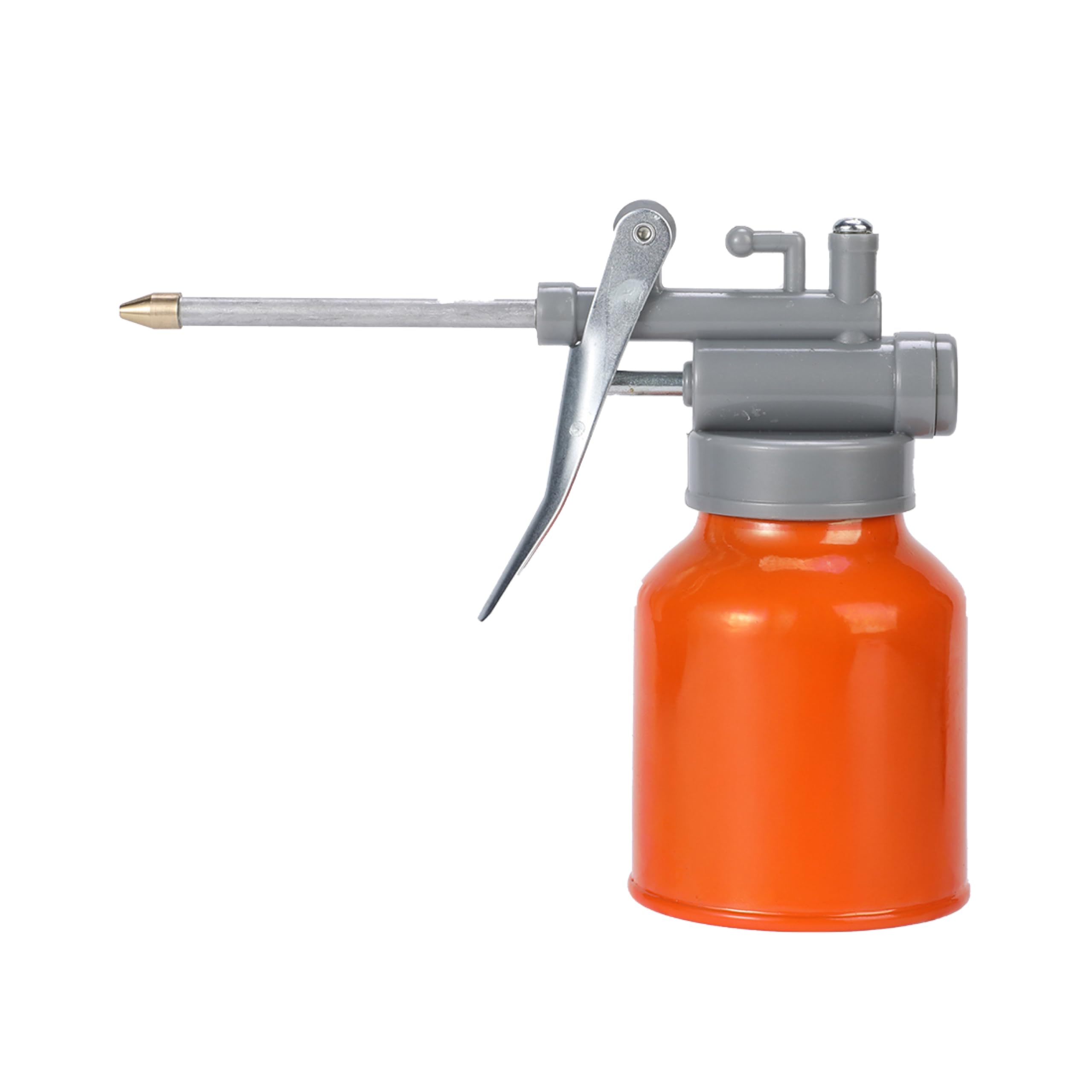
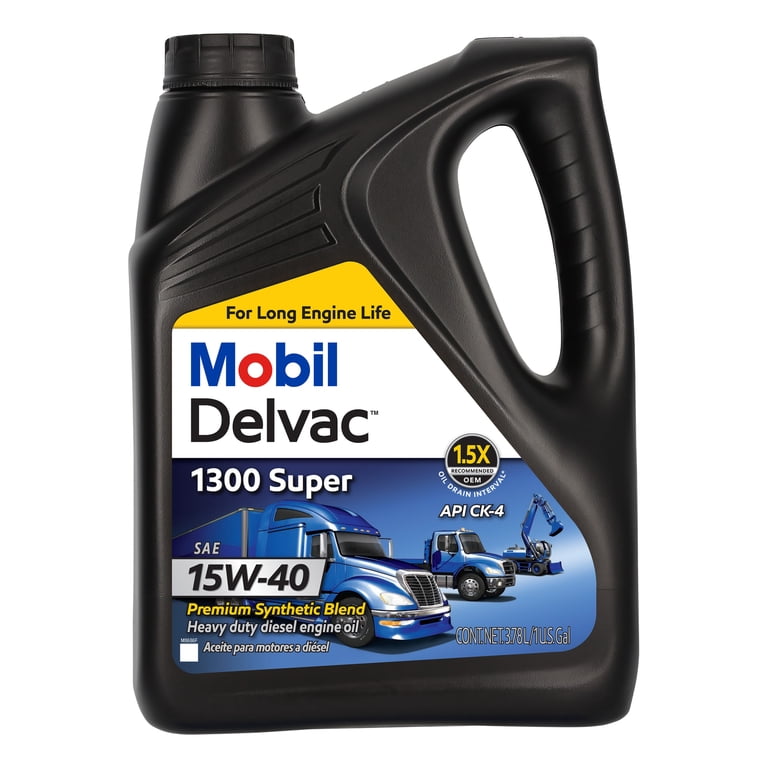
Engine oil is designed for gasoline and diesel engines.
When choosing engine oil, focus on three key factors:
A. Viscosity Grade
The most important factor is the SAE viscosity grade.
Examples:
- 5W-30 → modern passenger cars
- 10W-40 → older engines / warm climates
- 15W-40 → diesel trucks and heavy equipment
- 20W-50 → high-temperature use
The first number affects cold-start performance.
The second number affects high-temperature protection.
B. Oil Type
Choose based on performance and budget.
| Type | Best For |
|---|---|
| Mineral oil | older vehicles |
| Semi-synthetic | mixed use |
| Full synthetic | modern engines |
Synthetic oil usually gives better:
- wear protection
- longer oil life
- fuel economy
C. Vehicle Type
Always match the lubricant to:
- gasoline cars
- diesel trucks
- commercial vehicles
- generators
⚙️ 2. How to Choose Hydraulic Fluid



Hydraulic oil is used in systems that transfer power.
Examples:
- forklifts
- excavators
- presses
- injection molding machines
Key Selection Factors
A. Viscosity Grade
Common ISO grades:
- VG 32
- VG 46
- VG 68
Lower viscosity = colder environments
Higher viscosity = heavier load / hotter climate
B. Anti-Wear Performance
Choose AW hydraulic oil for:
- pumps
- valves
- cylinders
This reduces internal wear.
C. Operating Temperature
High-temperature factories require oil with strong oxidation stability.
🔩 3. How to Choose Gear Oil


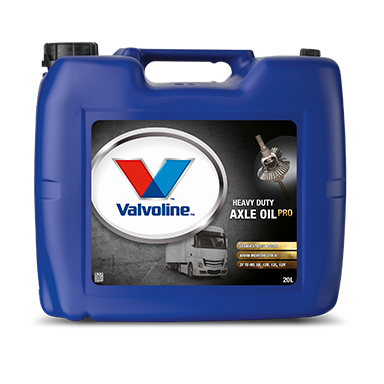
Gear oil is used in transmissions and gear systems.
Applications:
- manual transmissions
- differentials
- industrial gearboxes
Important Factors
A. SAE Grade
Examples:
- 75W-90
- 80W-90
- 85W-140
Heavy-duty equipment often needs higher viscosity.
B. EP Additives
Choose Extreme Pressure (EP) gear oil for:
- high torque
- heavy load
- industrial machinery
C. Automotive vs Industrial
Vehicle gear oil and industrial gear oil are different.
Always match the application.
🏭 4. How to Choose Compressor Oil

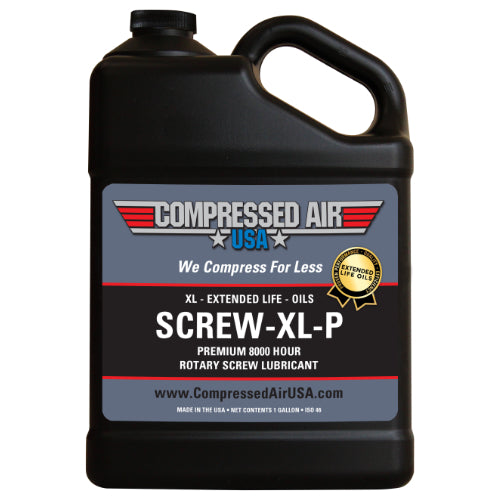

Compressor oil is critical for air compression systems.
Used in:
- screw compressors
- piston compressors
- vacuum pumps
Key Buying Points
A. Compressor Type
Different machines require different oil.
- screw compressor oil
- piston compressor oil
- vacuum pump oil
B. Oxidation Resistance
This is very important for long operating hours.
Good compressor oil reduces:
- carbon deposits
- sludge
- overheating
C. Service Interval
Long-life compressor oils reduce maintenance frequency.
🛞 5. How to Choose Grease

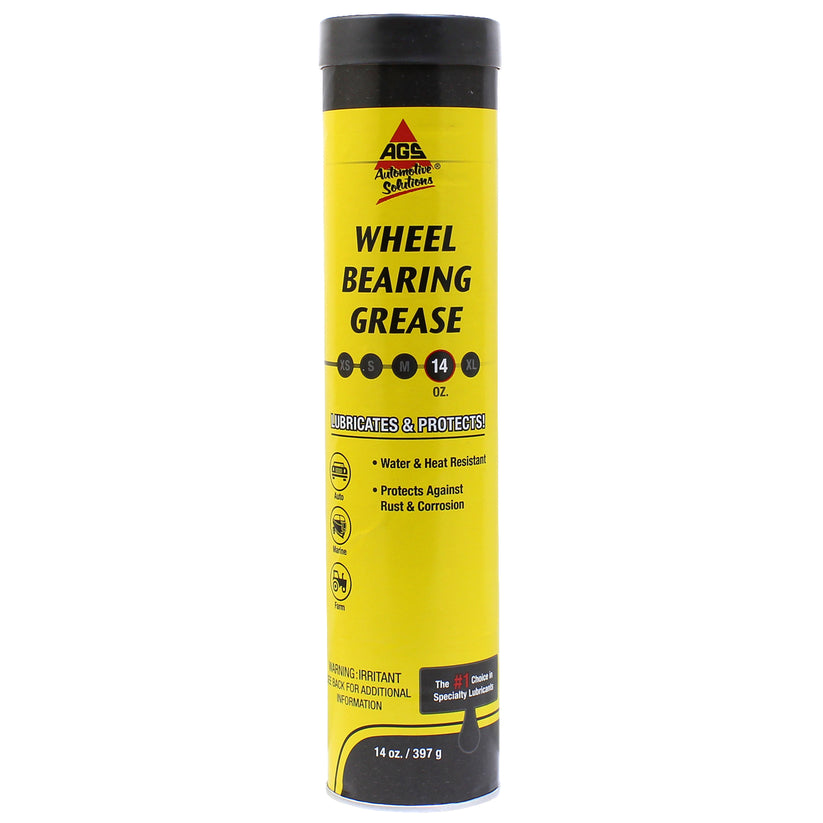
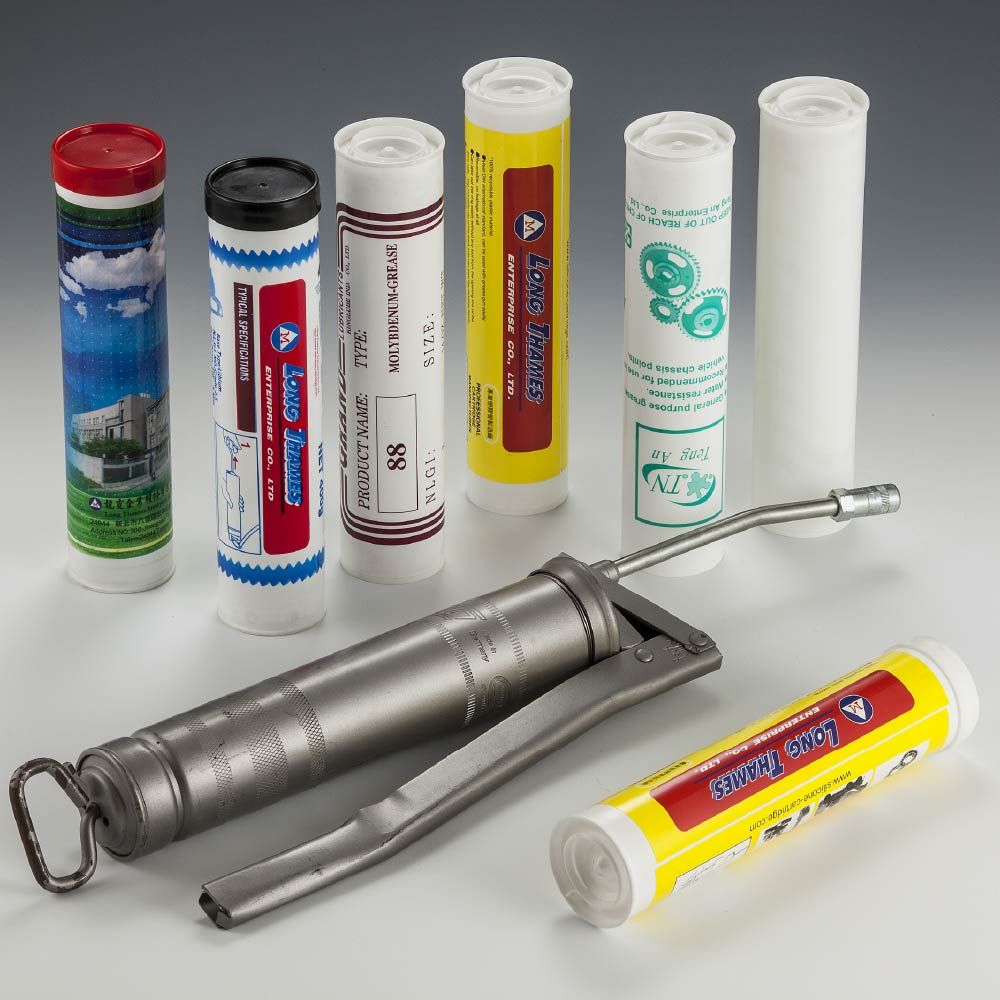
Grease is used where liquid oil cannot stay in place.
Applications:
- bearings
- wheel hubs
- joints
- shafts
Selection Factors
A. Temperature
For high-temperature applications choose:
- high-temp grease
- lithium complex grease
B. Water Resistance
For outdoor and marine use, choose waterproof grease.
C. Load Capacity
Heavy-duty bearings require EP grease.
📊 Quick Buying Table
| Product | Main Factor |
|---|---|
| Engine oil | SAE grade + oil type |
| Hydraulic fluid | ISO VG viscosity |
| Gear oil | EP grade + viscosity |
| Compressor oil | oxidation resistance |
| Grease | temperature + load |
💡 Practical Buying Tips
Always check:
1. Manufacturer recommendation
Use OEM specifications first.
2. Working environment
Climate and temperature matter.
3. Service interval
Longer oil life reduces maintenance cost.
4. Equipment age
Older machinery may require thicker oil.
🏷️ Buyer Advice for Distributors
If you are buying for resale, keep stock of:
- 5W-30 engine oil
- 15W-40 diesel oil
- VG 46 hydraulic oil
- 80W-90 gear oil
- lithium grease
- compressor oil
These are the highest-demand products.
✅ Conclusion
Choosing the right lubricant oil depends on:
- application
- viscosity
- temperature
- load
- equipment type
The correct engine oil, hydraulic fluid, gear oil, compressor oil, and grease can improve efficiency, reduce downtime, and extend equipment life.
For workshops, distributors, and industrial buyers, selecting the correct lubricant is one of the best ways to reduce long-term operating cost.

Get Lubricant Oil Products
Join Kailda Newsletter to get more information of different lubricant oil in China.
