

 By Coco
Choosing the wrong lubricant can lead to poor performance, increased wear, overheating, and expensive equipment damage. Three of the most commonly used lubricant oils are engine oil, gear oil, and hydraulic oil, but they are designed for completely different applications.
This guide explains the key differences, how each one works, and how to decide which one you need.
🚗 1. What Is Engine Oil?


Engine oil is specifically formulated for internal combustion engines.
It is used in:
- passenger cars
- trucks
- buses
- generators
- diesel equipment
Main Functions
Engine oil is designed to:
- lubricate pistons, crankshaft, and valves
- reduce friction
- cool internal parts
- clean sludge and deposits
- prevent rust and corrosion
Unlike other oils, engine oil contains strong detergent and dispersant additives.
Common Grades
- 0W-20
- 5W-30
- 10W-40
- 15W-40
🔩 2. What Is Gear Oil?


Gear oil is specially designed for gear systems and transmissions.
Used in:
- manual transmissions
- differentials
- industrial gearboxes
- heavy machinery drives
Main Functions
Gear oil is designed to:
- protect gears under heavy load
- reduce metal-to-metal contact
- absorb shock pressure
- prevent gear wear
Gear oil usually contains EP (Extreme Pressure) additives.
This makes it much thicker and stronger than engine oil.
Common Grades
- 75W-90
- 80W-90
- 85W-140
⚙️ 3. What Is Hydraulic Oil?

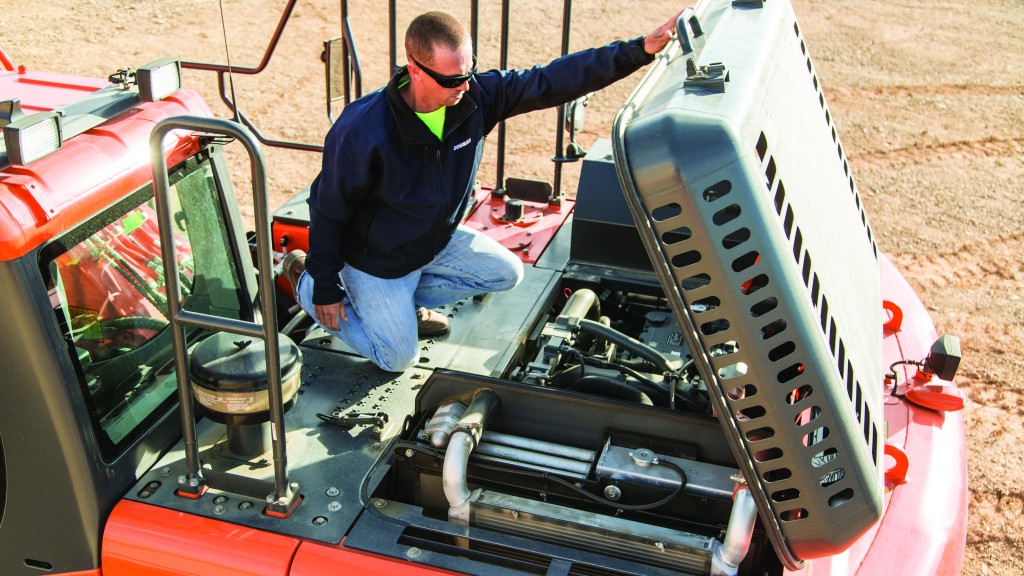

Hydraulic oil is used in hydraulic power systems.
Applications:
- excavators
- forklifts
- presses
- hydraulic pumps
- industrial machines
Main Functions
Hydraulic oil works as:
- power transmission fluid
- lubricant
- coolant
- sealing fluid
Unlike engine oil, its main job is transferring hydraulic pressure.
Common Grades
- VG 32
- VG 46
- VG 68
📊 Quick Comparison Table
| Feature | Engine Oil | Gear Oil | Hydraulic Oil |
|---|---|---|---|
| Main Use | engines | gear systems | hydraulic systems |
| Main Function | lubrication + cleaning | load protection | power transfer |
| Additives | detergents | EP additives | anti-foam |
| Thickness | medium | thick | medium |
| Common Grade | 5W-30 | 80W-90 | VG 46 |
🔍 Key Differences Explained
1. Application
This is the biggest difference.
Engine Oil
For engines only
Gear Oil
For gears and transmissions
Hydraulic Oil
For hydraulic systems
2. Additives
Each oil uses different additive technology.
Engine Oil
- detergent
- anti-sludge
- anti-wear
Gear Oil
- extreme pressure additives
- shock load protection
Hydraulic Oil
- anti-foam
- anti-oxidation
- anti-rust
3. Viscosity
Gear oil is generally the thickest.
Hydraulic oil must flow easily under pressure.
Engine oil balances temperature and cleaning performance.
🚫 Can You Use Them Interchangeably?
Short answer: No
Engine Oil in Gearbox?
Not recommended.
It lacks EP additives.
This can cause serious gear wear.
Gear Oil in Engine?
Absolutely not.
It is too thick and lacks cleaning additives.
Hydraulic Oil in Engine or Gearbox?
Never.
Hydraulic oil is designed for fluid power transmission, not engine or gear protection.
🏭 Which One Do You Need?
For Cars and Trucks
Use engine oil
Examples:
- 5W-30
- 10W-40
- 15W-40
For Transmissions and Differentials
Use gear oil
Examples:
- 75W-90
- 80W-90
For Machinery and Hydraulic Systems
Use hydraulic oil
Examples:
- VG 46
- VG 68
💡 Quick Selection Guide
| Equipment | Oil Needed |
|---|---|
| car engine | engine oil |
| truck diesel engine | diesel engine oil |
| gearbox | gear oil |
| excavator | hydraulic oil |
| forklift | hydraulic oil |
| differential | gear oil |
🏷️ Best-Selling Products
Most common market demand:
- 5W-30 engine oil
- 15W-40 diesel oil
- 80W-90 gear oil
- VG 46 hydraulic fluid
These are high-demand products for workshops and distributors.
✅ Conclusion
The difference is simple:
- Engine oil = engines
- Gear oil = gear systems
- Hydraulic oil = hydraulic machinery
Using the correct oil is essential for protecting equipment, reducing wear, and improving efficiency.
Always follow the manufacturer’s specification before purchasing.

Get Lubricant Oil Products
Join Kailda Newsletter to get more information of different lubricant oil in China.
