

 By Coco
Choosing the right lubricant oil is one of the most important decisions for keeping vehicles and industrial equipment running efficiently. The correct lubricant reduces friction, lowers wear, controls temperature, and extends equipment life. Whether you are selecting oil for cars, trucks, heavy machinery, air compressors, or industrial equipment, understanding viscosity, application, and performance standards is essential.
This guide explains how to choose the right lubricant oil step by step.
🚗 1. Choose Lubricant Oil for Cars



For cars, the most important lubricant is engine oil.
A. Check the SAE Viscosity Grade
Always start with the manufacturer’s recommendation.
Common grades:
- 5W-30 → modern passenger cars
- 10W-40 → older engines
- 0W-20 → fuel-efficient modern vehicles
- 20W-50 → hot climates
Example:
If you live in a hot climate, thicker oil like 10W-40 may be more suitable.
B. Choose Oil Type
| Type | Best For |
|---|---|
| Mineral oil | older cars |
| Semi-synthetic | daily use |
| Full synthetic | modern high-performance vehicles |
Synthetic oil offers:
- better protection
- cleaner engines
- longer drain intervals
🚛 2. Choose Lubricant Oil for Trucks


Trucks require diesel engine oil with stronger wear protection.
Common grades:
- 15W-40
- 20W-50
Heavy-duty diesel oils must handle:
- high temperature
- heavy load
- soot control
For trucks and buses, always choose oil with strong detergent additives.
🚜 3. Choose Oil for Machinery



Machinery often uses hydraulic oil and industrial lubricants.
Examples:
- excavators
- forklifts
- hydraulic presses
- industrial pumps
Hydraulic Oil Grades
Common ISO grades:
- VG 32
- VG 46
- VG 68
Choose based on:
- pressure
- temperature
- machine load
VG 46 is the most common general-purpose hydraulic fluid.
🌬️ 4. Choose Oil for Compressors

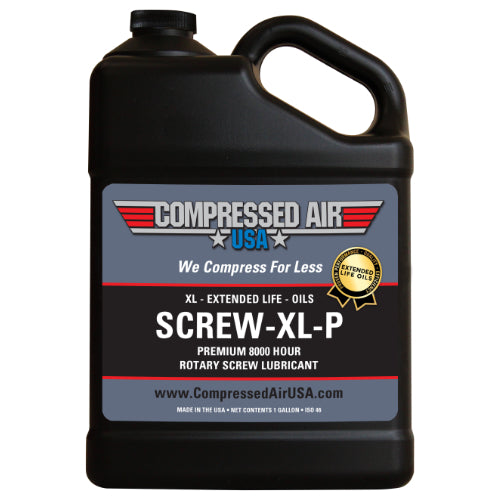

Compressors need specialized compressor oil.
Used for:
- screw air compressors
- piston compressors
- vacuum pumps
Key Selection Points
Oxidation Stability
Important for long running hours.
Low Carbon Deposit
Prevents internal build-up.
Machine Type
Different oils for:
- screw compressors
- piston compressors
Always match the equipment manual.
🏭 5. Choose Oil for Industrial Equipment



Industrial equipment may require:
- hydraulic oil
- gear oil
- chain oil
- slideway oil
- turbine oil
Examples:
- CNC machines
- production lines
- steel machinery
- conveyors
🔩 6. Choose Gear Oil



Gear oil is used in:
- transmissions
- gearboxes
- differentials
- heavy drives
Common grades:
- 75W-90
- 80W-90
- 85W-140
For industrial gearboxes, choose EP gear oil.
🛞 7. Choose Grease for Bearings and Joints

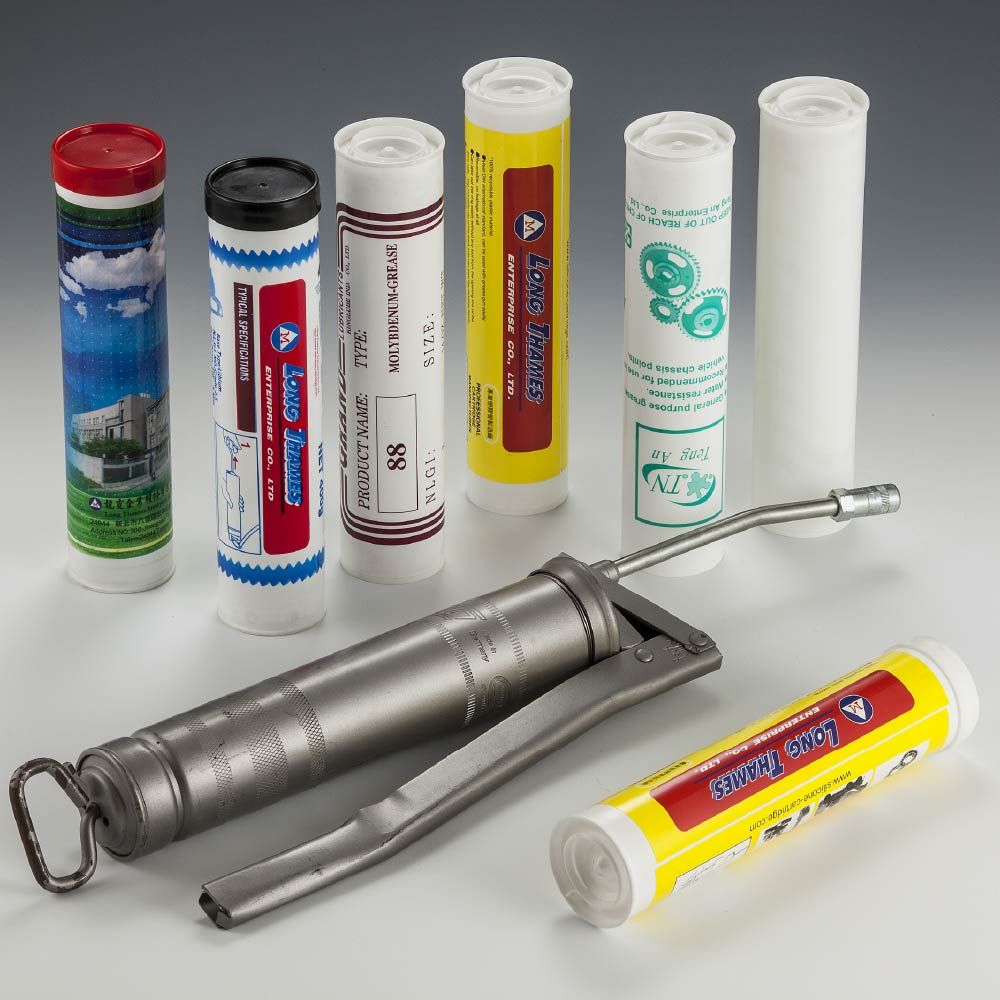

Grease is used for:
- bearings
- shafts
- wheel hubs
- joints
Choose based on:
- load
- temperature
- water resistance
Common products:
- lithium grease
- high-temp grease
- waterproof grease
📊 Quick Selection Table
| Equipment | Recommended Oil |
|---|---|
| Cars | engine oil |
| Trucks | diesel engine oil |
| Machinery | hydraulic oil |
| Compressors | compressor oil |
| Gearboxes | gear oil |
| Bearings | grease |
💡 Key Buying Tips
Always check these 4 points:
1. Equipment Manual
This is always the first reference.
2. Working Temperature
Hot climate needs higher viscosity.
3. Load
Heavy-duty machines need stronger additives.
4. Service Interval
Long-life oil reduces maintenance frequency.
🏷️ Best-Selling Lubricants
High-demand products include:
- 5W-30 engine oil
- 15W-40 diesel oil
- VG 46 hydraulic oil
- 80W-90 gear oil
- lithium grease
- compressor oil
These are the most common products for distributors.
✅ Conclusion
Choosing the right lubricant oil depends on:
- equipment type
- viscosity grade
- working temperature
- load conditions
The correct oil for cars, trucks, machinery, compressors, and industrial equipment can reduce wear, lower downtime, and improve long-term performance.
For buyers and distributors, understanding application-based selection is the key to making the right purchase.

Get Lubricant Oil Products
Join Kailda Newsletter to get more information of different lubricant oil in China.
