

 By Coco
Starting your own OEM private label lubricant oil brand is one of the most attractive B2B opportunities in the automotive and industrial products market. Instead of building a factory from scratch, you can work with an experienced lubricant manufacturer to produce engine oil, hydraulic oil, gear oil, grease, and industrial lubricants under your own brand name.
This model allows distributors, traders, and entrepreneurs to enter the market quickly with lower investment and higher profit margins.
This guide explains how to start your own lubricant oil brand step by step.
🏭 1. Understand the OEM Private Label Business Model

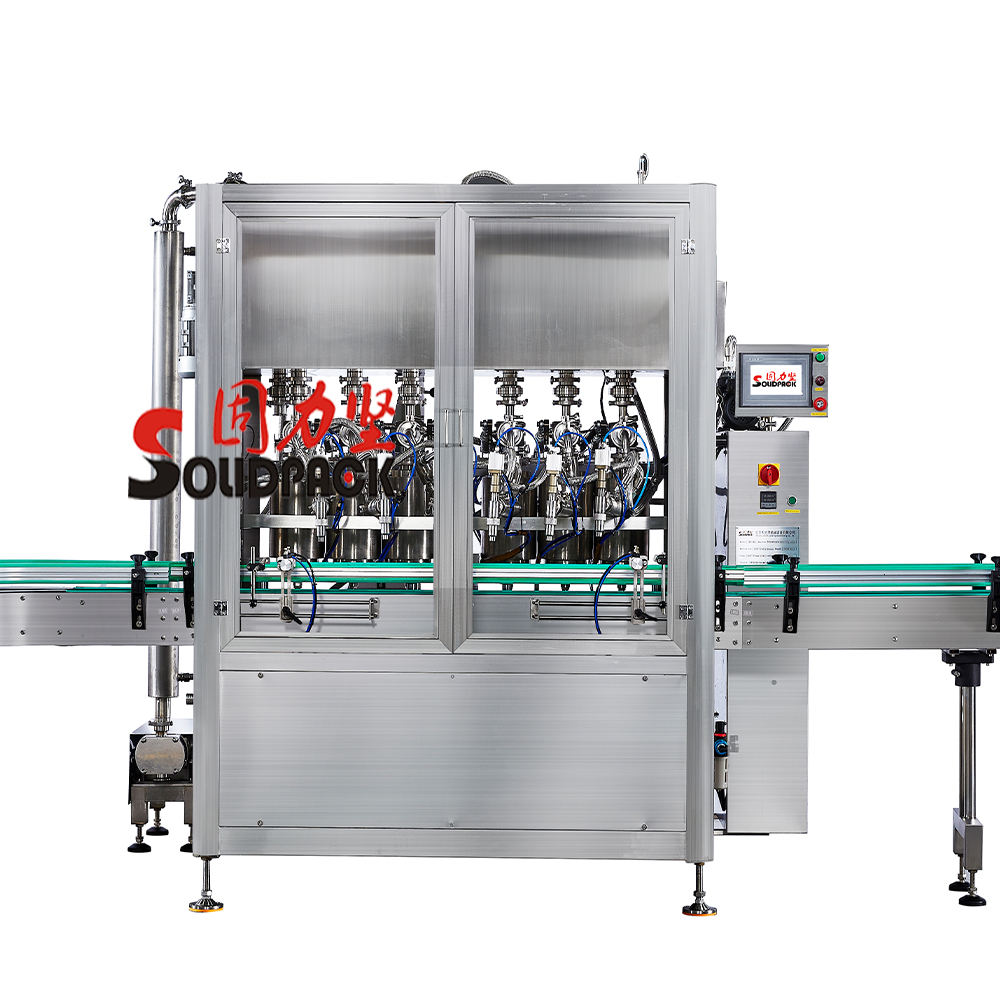

OEM means the manufacturer produces the lubricant oil for you, but the product carries your brand name, logo, and packaging.
The factory handles:
- formula blending
- filling
- bottle production
- labeling
- carton packaging
You focus on:
- branding
- sales
- distribution
- market development
This is the fastest way to start a lubricant business.
🚗 2. Choose Your Product Range
Before launching, decide which products you want to sell.
Automotive Lubricants
Best for:
- auto parts distributors
- repair workshops
- fleet service companies
Popular products:
- engine oil
- diesel engine oil
- transmission fluid
- gear oil
- brake fluid
- grease
High-demand grades:
- 5W-30
- 10W-40
- 15W-40
Industrial Lubricants
Best for:
- factories
- machinery distributors
- construction equipment suppliers
Products:
- hydraulic oil
- compressor oil
- gear oil
- turbine oil
- industrial grease
Popular grades:
- VG 46
- VG 68
- EP gear oil
🏷️ 3. Build Your Brand Identity


A strong brand helps customers trust your product.
Key elements:
- brand name
- logo
- color scheme
- bottle design
- carton design
Your packaging should clearly show:
- viscosity grade
- product type
- application
- performance standard
Example:
SAE 5W-30 Full Synthetic Engine Oil
📦 4. Choose Packaging Sizes
Different markets need different package sizes.
Common options:
- 1L bottle
- 4L bottle
- 5L bottle
- 18L pail
- 200L drum
Retail Market
Use 1L / 4L / 5L bottles
Industrial Market
Use 18L pails and 200L drums
⚙️ 5. Select the Right Formula
This is one of the most important steps.
Work with the OEM factory to select formulas based on:
Climate
Hot climate:
- 10W-40
- 15W-40
Cold climate:
- 0W-20
- 5W-30
Equipment Type
Cars → engine oil
Factories → hydraulic oil
Compressors → compressor oil
Market Positioning
Premium → synthetic oil
Mid-range → semi-synthetic
Budget → mineral oil
🌍 6. Choose the Right Manufacturer


A good OEM manufacturer should provide:
- stable quality
- export experience
- flexible MOQ
- private label service
- testing reports
Important factors:
- viscosity consistency
- additive package quality
- lead time
- packaging quality
China manufacturers often provide the best balance of price and capacity.
💰 7. Understand Profit Margins
Private label lubricant oil usually has strong margins.
Typical margin range:
- 20%–50%
Premium synthetic oils often offer the highest profit.
Example:
OEM cost = $3
Wholesale price = $5
Retail = $7–$9
This makes the business highly attractive for distributors.
📈 8. Start With Best-Selling Products
Recommended launch products:
Automotive
- 5W-30 engine oil
- 15W-40 diesel oil
- 80W-90 gear oil
Industrial
- VG 46 hydraulic oil
- lithium grease
- compressor oil
These products usually have the highest demand.
🚚 9. Distribution Channels
Best sales channels:
- workshops
- auto parts stores
- machinery distributors
- industrial supply stores
- online B2B platforms
You can also sell through:
- Alibaba
- local distributors
- direct fleet contracts
💡 10. Tips for Fast Growth
Start with 3–5 core products.
Avoid launching too many SKUs at once.
Focus on:
- strong packaging
- stable quality
- competitive price
- repeat orders
Brand trust is critical in lubricant products.
📊 Recommended Starter Product Mix
| Product | Market |
|---|---|
| 5W-30 engine oil | retail |
| 15W-40 diesel oil | truck / fleet |
| VG 46 hydraulic oil | industrial |
| lithium grease | workshops |
✅ Conclusion
Starting an OEM private label lubricant oil business is one of the fastest ways to enter the automotive and industrial supply market.
By working with a reliable manufacturer, you can quickly launch your own engine oil and industrial lubricant brand with lower risk and strong profit potential.
The key to success is:
- choosing the right products
- building strong branding
- working with a reliable OEM factory
- focusing on repeat-demand products
This business model is ideal for distributors, wholesalers, and traders looking to build long-term brand value.

Get Lubricant Oil Products
Join Kailda Newsletter to get more information of different lubricant oil in China.
